
Prices
US$195 – Adults (ages 18 and up)
Children (ages 3–17)

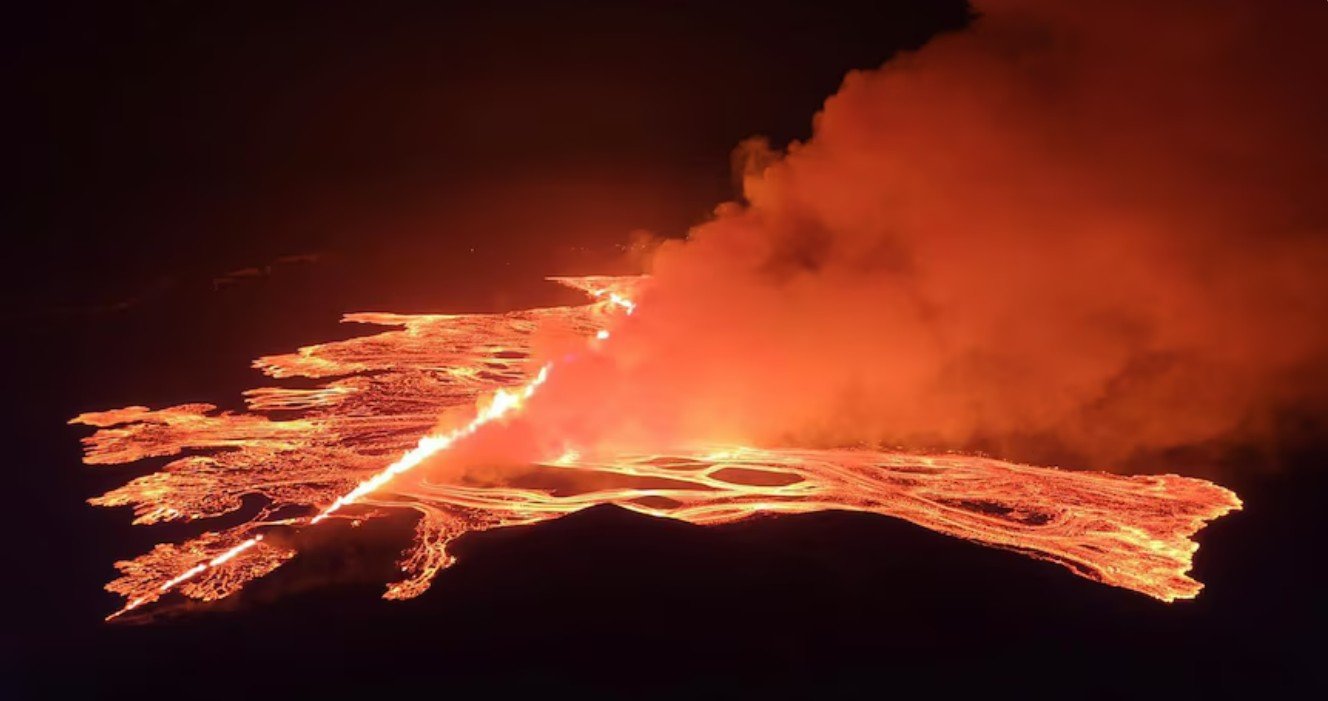
 Transportation is provided throughout the tour, meaning you're not navigating the Chain of Craters Road or hunting for black sand beach parking on your own. This matters more than it sounds — the road distances between Kona, the park, and the coast are significant, and having a guide behind the wheel means you're actually looking out the window instead of watching for unmarked turnoffs.
 A knowledgeable local guide accompanies the group for the duration, offering context you simply won't get from a park brochure or a GPS narrator. When your guide explains that the black sand beneath your feet was molten rock that hit the ocean and shattered into grains, you're standing on that sand — and that combination of place and explanation is the thing guests keep mentioning in their reviews long after they've returned home.

Active surface lava flows are not guaranteed and depend entirely on Kīlauea’s current eruptive activity, which changes without notice. What you will see is the active Halemaʻumaʻu lava lake within the summit caldera, which has been persistently active and is genuinely dramatic — glowing, steaming, and visible from the crater overlook. Your guide will give you an honest assessment of current conditions on the day of the tour.
Plan on moderate walking — the Kīlauea caldera viewpoints involve paved paths but cover meaningful distances, and Punaluu Beach requires a short walk to reach the best shoreline spots. The terrain in the park is mostly flat but the surfaces vary between paved walkways and rougher volcanic rock. Guests with mobility limitations should flag that at booking so the guide can plan accordingly.
Swimming at Punaluu is generally not recommended and most guests skip it — the wave action and currents can be unpredictable, and the beach is genuinely better experienced as a place to walk, observe the honu, and take in the dramatic contrast of black sand against blue water. Come prepared to appreciate the beach visually rather than planning a swim.
Vog — volcanic smog created by sulfur dioxide emissions from Kīlauea — is a real presence in the park and can range from a faint haze to a noticeable smell and mild throat irritation depending on wind direction and eruption intensity on any given day. Most healthy adults find it completely manageable for the duration of the visit. Guests with asthma, young keiki, or respiratory sensitivities should consult a doctor before booking and bring any prescribed inhalers.
Captain Cook sits on the southern Kona coast, which puts it geographically closer to both Volcanoes National Park and Punaluu than central Kona or Waikoloa would be, reducing drive time and maximizing the hours you spend actually at the sites. If you’re staying in Kailua-Kona, the drive to the Captain Cook departure point is roughly 20 to 30 minutes south on Highway 11 — confirm exact pickup logistics when you book.
Nothing in wildlife is guaranteed, but honu at Punaluu are about as reliable as wild animals get — they use the beach as a regular haul-out and basking spot, and the vast majority of guests on this tour see at least one turtle resting on the black sand. The best strategy is arriving at the beach calmly, keeping your distance as required by federal law, and scanning the shoreline rather than rushing to the waterline.
Embark on the Ultimate Big Island Volcano Tour, a 6-hour adventure from Hilo. Explore active...
Transportation is provided throughout the full 6-hour tour, meaning you're not navigating Chain of Craters Road on your own or trying to find parking at Thurston Lava Tube during peak hours — both of which are genuinely stressful without local knowledge. Your guide handles all the logistics so you can focus on what you're actually seeing, and the vehicle is equipped for the varied terrain and weather conditions that Volcano can throw at you in a single afternoon.
A knowledgeable guide is with you for the entire tour, providing cultural and geological context that transforms what you're looking at from 'cool rocks' into a living story of Hawaiian history, Polynesian navigation, and ongoing volcanic science. These guides know when conditions have shifted, which viewpoints are actually worth stopping at on any given day, and how to read the landscape in ways that take geologists years to learn — that context is genuinely irreplaceable. Hawaii Volcanoes National Park, home to the active Kīlauea, invites you on a 6-hour private...
Your guide is a licensed, park-certified naturalist with deep knowledge of both the geological and cultural layers of Kīlauea. In practical terms, this means you're getting real-time interpretation — when you see a pahoehoe flow field or a steam vent, your guide explains exactly what created it, how old it is, and what the Hawaiian people believed it meant. That context turns a walk across black rock into something that actually stays with you.
The tour is fully private, meaning the itinerary bends to your group — not the other way around. If your keiki wants to linger in the lava tube, you linger. If someone in your ohana has mobility limitations, the guide reroutes without drama. No sharing the experience with strangers, no rushing to keep up with a flag-waving tour leader. Discover two of Hawaii’s most spectacular volcanic features on this private guided adventure through Kilauea...
Lava Tube Equipment - Headlamps and safety gear for underground exploration
Crater Trail Support - Walking sticks and emergency equipment for crater hiking