
If you’re planning a Hawaiian escape, you’re in for a treat: from whale watching off Maui and zipping across rugged landscapes on an ATV to snorkeling the clear waters of Molokini, cruising into a sunset on a Kauai dinner cruise, or spotting sea turtles off Maui’s shores, these experiences are the kind that make a trip unforgettable. You’ll find choices for every pace—relaxed and romantic or adrenaline-fueled and adventurous—and each one gives you a unique way to connect with Hawaii’s natural beauty and culture. Think of these as the highlight reel for your vacation: memorable views, local guides who know the best spots, and plenty of photo-worthy moments.
These kinds of tours and excursions grew alongside Hawaii’s modern tourism industry—commercial whale-watching operators became common in the 1970s and 1980s as people sought responsible ways to see marine life, ATV and adventure tours expanded as off-road recreation gained popularity, and snorkeling, dinner cruises, and wildlife encounters evolved to balance visitor interest with conservation rules and safety standards. Owning or booking these experiences for your trip brings real benefits: guaranteed spots on popular outings, expert local knowledge, better safety and equipment than going lone-wolf, and often added perks like photo services or combo deals. They also help support local guides and conservation efforts when you choose responsible operators. You’ll be looking more in detail at each one in the article, so you can pick the right mix for your perfect Hawaiian itinerary.
Whale Watching Season Hawaii
This image is property of images.pexels.com.
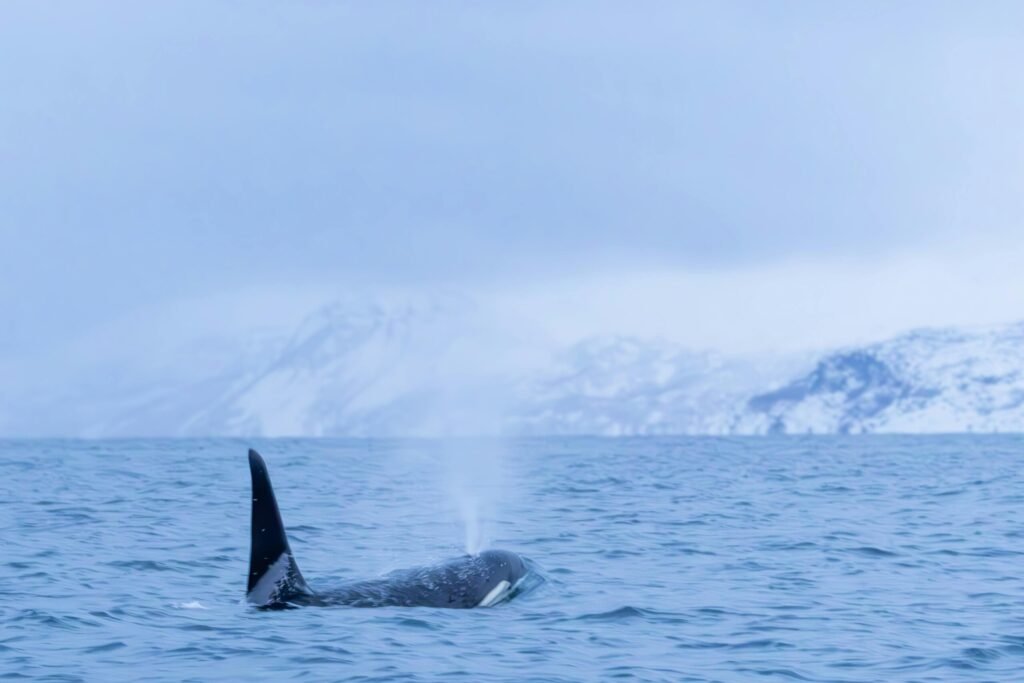
Whale watching season in Hawaii exists so you can witness the annual migration of North Pacific humpback whales up close during their breeding, birthing, and nursing months. If you want a memorable wildlife experience—full of breaching, tail and pectoral slaps, spyhopping, and the chance to hear whale song—this is the time to plan your trip. The main season runs roughly December through May, with peak activity most often in January–March (February commonly has the highest sightings).
- Main species: humpback whales (Megaptera novaeangliae)
- Peak months: January–March
- Best island for numbers: Maui (especially the Auʻau Channel near Lahaina and Maʻalaea)
- Other good locations: Kona (Big Island), Oʻahu, Kauaʻi, Lānaʻi
You’ll love whale watching in Hawaii because it’s accessible, emotional, and educational. Watching a breaching humpback or a protective mother–calf interaction creates a powerful connection to the ocean and to conservation. Tours often include knowledgeable naturalists who explain behavior, migration patterns, and conservation needs—so you leave having learned as well as marveled. Plus, options range from large boat tours to shore-based lookouts, so you can pick the experience that fits your comfort level.
- High probability of sightings during peak season
- Dramatic surface behaviors (breaching, tail slaps, pectoral slaps)
- Educational narration by naturalists on many boat tours
The purpose of whale watching season is twofold: to allow you to observe whale behavior in a place where these animals come to breed and nurse, and to promote responsible viewing that supports conservation. Key features of the experience include guided boat tours with licensed operators and naturalists, shore-based lookout opportunities, and smaller kayak or small-boat trips for more intimate viewing (book early during peak months).
- Guided boat tours with naturalists and safety- and conservation-first protocols
- Shore-based sightings for a lower-cost or land-based option
- Recommended gear: binoculars, telephoto lens, windproof layers, seasickness remedies
- Safety and etiquette guidance aligned with NOAA and federal rules
The overall quality of whale watching during season in Hawaii is high—especially when you choose reputable, permitted operators who follow federal guidelines and emphasize conservation. In prime locations like Maui’s Auʻau Channel, sightings are frequent and encounters can be spectacular. Tour operators vary, though, so look for those with experienced naturalists, good safety records, and clear adherence to rules about distances and non-interference. When you pick a responsible operator, you’ll get an informative, respectful, and unforgettable wildlife experience.
- Licensed, permitted operators with trained guides
- Clear adherence to keeping a safe distance and not disturbing animals
- Conservation-minded commentary and practices
Choosing whale watching season in Hawaii offers major rewards but also practical considerations. Below are the main advantages and drawbacks to help you decide and prepare.
High likelihood of seeing humpback whales during peak months
Spectacular surface behaviors (breaching, spyhopping, tail slaps)
Educational tours with naturalists promoting conservation
Variety of viewing options: boats, shore lookouts, kayaks
Warm island setting combined with world-class wildlife viewing
Peak months are busy—tours can sell out, so you must book early
Ocean conditions can cause seasickness for some—bring remedies
You must follow distance rules (federal guidelines require staying at least about 100 yards (91 meters) away), which can limit close-up photos
Weather or sea state may cancel or limit sightings on any given day
Bring binoculars, a camera with a telephoto lens, windproof layers, and patience—your chances of a life-changing sighting are very good during the season when you choose a responsible, permitted tour operator.
Maui Atv
This image is property of pixabay.com.
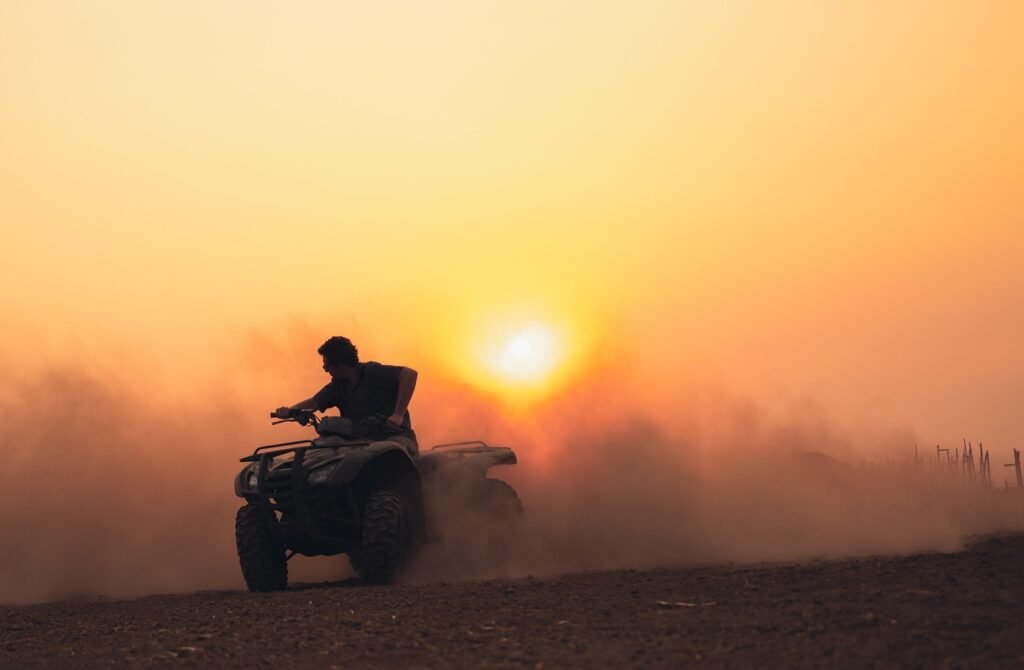
Maui ATV tours are designed for people who want an active, scenic way to explore the island’s rugged backcountry. If you enjoy off-road adventure, panoramic views, and a bit of adrenaline, these tours put you behind the wheel (or in the passenger seat of a UTV) so you can experience West Maui, Upcountry/Haleakalā foothills, and old ranchlands up close. You’ll spend your time on dirt trails, coastal overlooks, and private properties—not in protected forests or sacred sites—so expect a mix of natural beauty and cultural respect.
You’ll appreciate how easily an ATV tour combines exploration with safety and guidance. Guided routes mean you don’t have to plan logistics or find hidden trails. Tours typically include a helmet, a thorough safety briefing, and basic instruction so even first-time riders feel comfortable. The chance to ride a single-rider ATV or a side-by-side UTV with friends makes this an excellent choice for couples, families, and small groups wanting a memorable outdoor experience.
Maui ATV tours let you navigate backcountry trails under the direction of a knowledgeable guide. Most operators offer varying lengths—from quick 1–2 hour runs to half-day excursions—so you can pick based on your schedule and energy level. Typical inclusions are helmet, safety briefing, guided route, and often bottled water or light snacks. Age, height, and weight limits apply; solo ATVs commonly require riders to be at least 16 (with a parental waiver for minors), and drivers should usually have a valid driver’s license.
Expect operator-enforced rules like speed limits, no alcohol before or during rides, and clearly defined boundaries to protect both riders and the land. Pricing commonly ranges from $80–$250 per person depending on tour length and vehicle type. Because these tours are popular, it’s smart to book in advance—especially during high season—and confirm cancellation policies and weather-related rescheduling options.
Quality varies by operator, so the overall experience depends on vehicle maintenance, guide expertise, and group size. The best companies use well-maintained ATVs/UTVs, limit group sizes for better guidance, and prioritize safety with thorough safety briefings and enforced gear requirements. When operators meet these standards, your ride will feel smooth, secure, and fun—perfect for taking photos during morning or late afternoon light to avoid midday heat.
Top-notch operators also emphasize responsible tourism: they keep you on designated trails, avoid private or culturally sensitive sites, and educate riders on how to respect land and wildlife. Asking about licenses, insurance coverage, and recent reviews helps you choose a reputable company.
Pros
- Guided off-road adventure through scenic Maui landscapes.
- Options for short or half-day tours to fit your schedule.
- Safety gear and briefings included (helmet, instruction).
- Choice of single-rider ATVs or side-by-side UTVs for groups.
- Great photo opportunities during cooler best times (morning/late afternoon).
Cons
- Age, height and weight limits restrict younger or smaller riders.
- Not permitted in protected forests or certain sacred sites—some areas off-limits.
- Weather can affect schedules; you may need to reschedule.
- Pricing varies—higher-end tours can reach $250+ per person.
- Quality depends on operator—research and licensed companies are essential.
Pick a reputable operator, check reviews, confirm vehicle maintenance and insurance, and plan for mornings or late afternoons for the best experience. With a little preparation, your Maui ATV adventure will be a highlight of your island visit.
Best Molokini Snorkel Tour
This image is property of images.pexels.com.
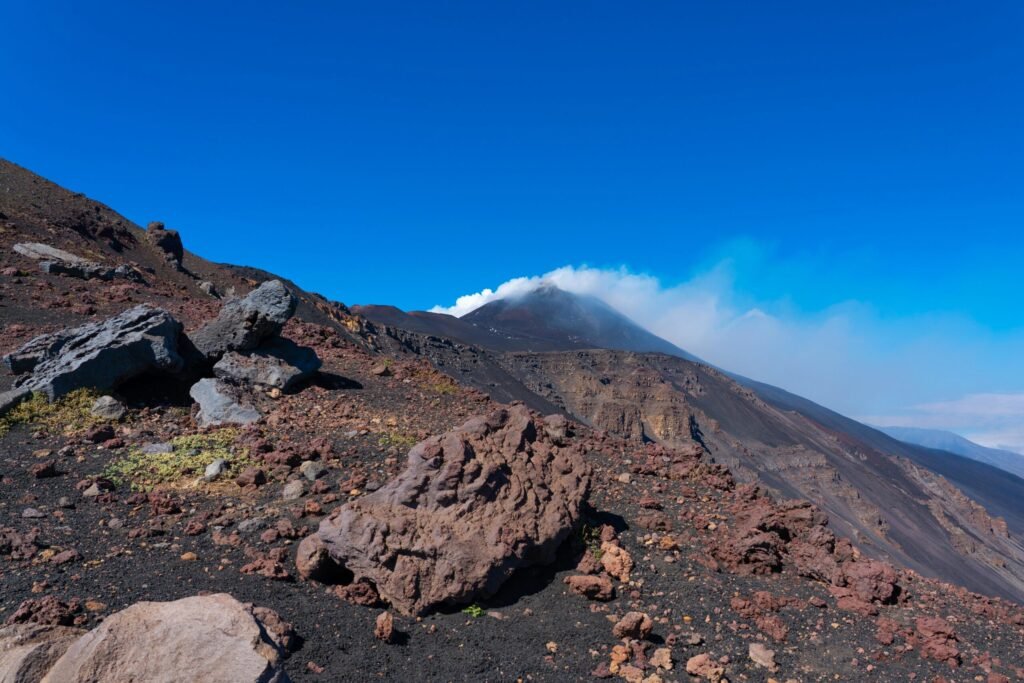
You’re booking the Best Molokini Snorkel Tour to experience Maui’s most famous snorkeling spot: the crescent-shaped Molokini volcanic crater. This tour is ideal when you want to see vibrant reef fish, explore healthy coral gardens, and swim with occasional sea turtles in some of the clearest water in Hawaii. Most guests choose the tour to enjoy an easy, guided ocean experience that’s accessible for beginners and exciting for snorkel veterans.
You’ll love the tour because it maximizes time in the water with morning departures that beat crowds and deliver calmer seas and outstanding visibility—often 100+ ft. The combo of the Molokini crater plus a second stop (like Turtle Town) gives you variety: dramatic underwater topography at Molokini and the chance to spot sea turtles at the reef. Tours often include friendly, knowledgeable guides who offer short briefings and optional guided snorkel sessions, which is great if you want tips on reading currents, finding fish, and staying reef-safe.
- Location: A protected marine life conservation district off Maui’s southwest coast—Molokini is famous for its clarity and marine diversity.
- Typical format: Most tours run 3–6 hours, with boat ride, 1–2 snorkel stops, and return to shore. Expect guided briefings, optional guided snorkeling, and photo opportunities.
- Gear & amenities: Tours typically provide masks, fins, snorkel, flotation vests, and sometimes wetsuits, snacks, drinks, onboard restrooms, and shaded seating.
- Logistics: Many operators offer pick-up/drop-off from Kihei, Maalaea, or Lahaina. Book early for preferred time slots and smaller groups.
- Best time: Early morning for calm seas and peak water clarity; summer brings higher visitor volume, but clarity can be excellent year-round.
- Wildlife & rules: You’ll see colorful reef fish, corals, and turtles—respect the protected status by not touching or taking marine life.
- Safety: Life vests and guides help keep things safe; bring seasickness medication if you’re prone to motion sickness.
The tour quality is high when you choose reputable operators. Boats geared toward comfort offer shaded seating, restrooms, and smaller group sizes that make the trip feel personalized. Guides who emphasize conservation and reef-safe practices enhance your experience by pointing out marine life and enforcing rules that protect the ecosystem. If you pick an eco-focused operator, you’ll notice better anchoring practices and a stronger commitment to keeping Molokini pristine—for both your enjoyment and the health of the reef.
Pros:
- Beautifully clear water with often incredible visibility (100+ ft).
- High likelihood of seeing reef fish and sea turtles.
- Morning departures minimize crowds and deliver calmer conditions.
- Most tours include snorkel gear, safety briefings, and guided options.
- Short-to-moderate duration (3–6 hours) fits half-day schedules.
- Conservation-minded operators help protect the marine environment.
Cons:
- Can be crowded during peak season—book early for smaller groups.
- Seasickness is possible on the boat ride; bring medication if needed.
- Strict protected-area rules limit interaction—no touching or collecting marine life.
- Some budget tours may skimp on comfort (limited shade/restroom access).
- Pickup locations vary—logistics can add time if you’re staying far from Kihei, Maalaea, or Lahaina.
Choose a tour that lists included gear, small group sizes, and reef-safe practices to make the most of your Molokini experience. With the right operator, you’ll leave with vivid underwater memories and a greater appreciation for Maui’s marine life.
Kauai Dinner Cruise
This image is property of pixabay.com.
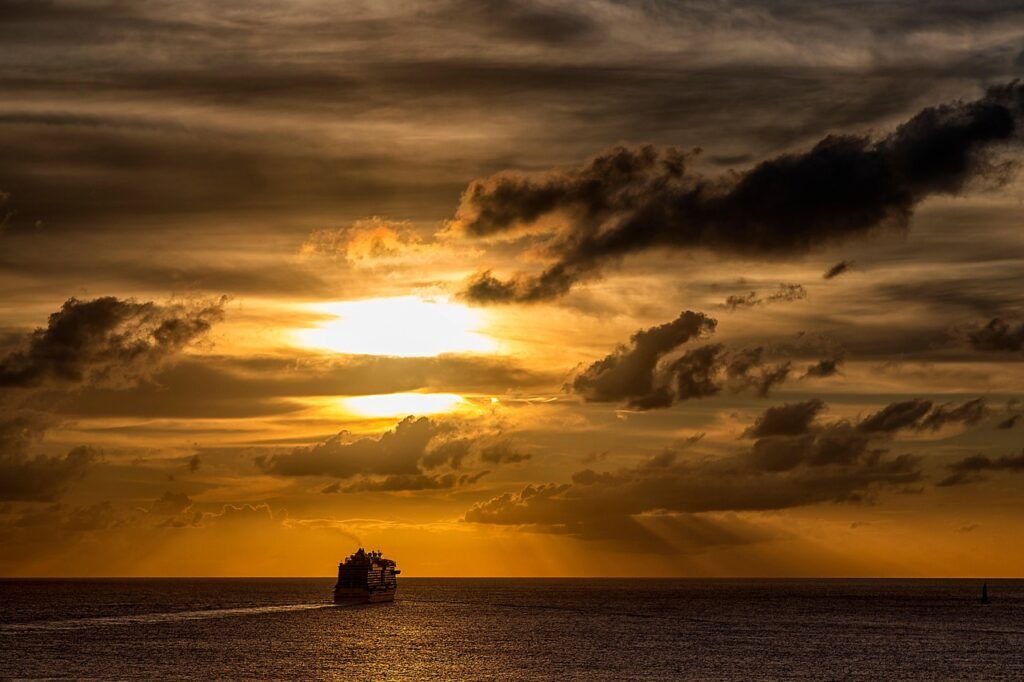
Kauai dinner cruises are ideal when you want a relaxed, scenic evening on the water with a meal included. You’ll cruise at sunset, watch rugged coastline and cliffs glide by, and often hear live stories about Hawaiian landmarks. Whether you’re celebrating a special night, hunting for dolphin or whale sightings, or simply want an easy, memorable way to see Kauai from the sea, these cruises deliver a straightforward, all-in-one experience.
You’ll appreciate the combination of sightseeing, dining, and entertainment. The best operators balance comfort with a genuine island vibe: locally inspired menus, live music, and knowledgeable narration make the trip more than a tour — it becomes a small celebration of Kauai. The timing around sunset turns ordinary views into glowing panoramas, and vessels that head toward the Na Pali Coast offer some of the most dramatic photo ops available on the island.
Kauai dinner cruises are evening boat excursions, typically lasting about 2–3 hours, though options vary. Departures often come from Lihue/Nawiliwili Harbor or Port Allen, and routes can include a leisurely circle of south/west shores or straighter runs along the Na Pali Coast. Vessel types range from catamarans and yachts to traditional sailing boats — your choice affects comfort, speed, and viewing perspectives.
Meals are plated or buffet-style with Hawaiian ingredients like fresh seafood and tropical fruits; many cruises serve alcohol (ID required). Expect entertainment such as Hawaiian music or dance and narrated highlights about coastal landmarks. Seasonal wildlife viewing is a bonus: winter trips increase the chance of spotting whales, while dolphins may appear year-round. Prices typically fall between $70 and $150+ per person depending on vessel, menu, and extras.
Reserve in advance — especially during high season — and double-check boarding locations and cancellation/weather policies. If you’re prone to seasickness, bring prevention measures. Also consider operators that emphasize responsible wildlife viewing and eco-friendly practices.
These cruises offer a high-quality, accessible way to experience Kauai’s coastline at a relaxed pace. Comfort and service vary by vessel: luxury yachts provide more space and refined dining, while catamarans give wider viewing decks and a lively atmosphere. Many operators are attentive to accessibility needs, but you should confirm boarding specifics before booking. When conditions are calm and you choose a reputable operator, the combination of scenery, food, and live entertainment makes for a consistently enjoyable evening.
Pros
- Sunset views and dramatic coastal scenery, especially near the Na Pali Coast
- Chance to see whales (seasonal) and dolphins
- Locally inspired menus and onboard entertainment like live music
- Variety of vessels (catamarans, yachts, sailing craft) to match your comfort preference
- Convenient, all-in-one evening activity — dining + sightseeing
Cons
- Weather and sea conditions can affect comfort and views; rough seas may trigger seasickness
- Price varies; premium vessels and longer routes cost more ($70–$150+)
- Boarding and accessibility differ by operator — verify specifics if you have mobility needs
- Popular sunset cruises fill quickly; you’ll likely need to make reservations ahead of time
Choose a Kauai dinner cruise that fits your mood — lively catamaran or quiet yacht — and plan around season and seas. Bring a light jacket, non-slip shoes, and your camera: this is one easy way to make island evenings feel a little magical.
Sea Turtles Maui
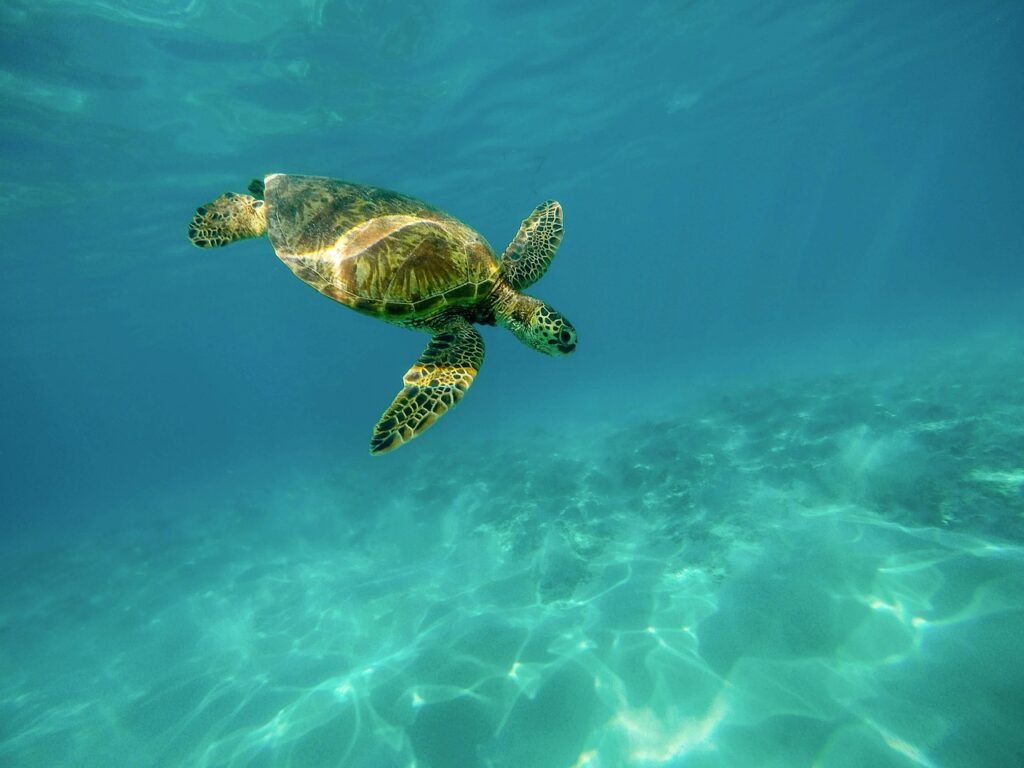
This image is property of pixabay.com.
When you visit Maui, the primary use of this experience is wildlife viewing and education. You’ll watch green sea turtles (commonly called honu) graze on algae in shallow coral reefs, rest on reef flats or beaches, and occasionally surface to breathe. This is about observing a protected, living species in its natural habitat—ideal for snorkelers, beachgoers, photographers, and anyone who wants a respectful wildlife encounter.
You’ll love the quiet magic of seeing a honu up close without disturbing it. The experience is naturally peaceful: turtles are slow-moving, mostly herbivorous, and often undisturbed by human presence when you follow proper guidelines. Watching these animals can be educational and inspiring, encouraging conservation-minded behavior. The mix of accessibility—turtles appear in sheltered bays and nearshore reefs—and the strict conservation protections around them make sightings meaningful rather than exploitative.
The purpose here is twofold: to allow you to appreciate Maui’s turtles and to protect them. Key features include:
- Main species: green sea turtle (honu) is common; hawksbill turtles are rare but present.
- Habitat: shallow coral reefs, rocky shorelines, and sheltered bays where turtles surface to breathe or bask.
- Behavior: primarily herbivorous, nest on sandy beaches with nesting peaks in spring–summer.
- Conservation status: protected under federal and state laws due to threats like habitat loss, boat strikes, entanglement, marine debris, disease, and climate change.
- Human interaction rules: keep distance (about 10 ft / 3 m), never touch or feed, and avoid crowding or blocking a nesting female.
- Photography etiquette: no flash, move slowly, limit time near a turtle, and observe from the water surface or shore without chasing.
- Best viewing times: early morning and late afternoon tend to be best for sightings.
The overall quality of turtle viewing around Maui is high if you follow local guidelines. Sightings are common for honu in many popular snorkeling spots and shoreline areas. The combination of protected status and active conservation programs means the experience is both ethically responsible and consistent. You’ll find knowledgeable guides, clear signage at beaches, and local groups offering educational opportunities that enhance what you see and help you understand how your behavior affects turtle survival.
Pros:
- Close, regular sightings of green sea turtles (honu) in accessible locations.
- Educational opportunities and the chance to support conservation efforts.
- Low-impact activity—snorkeling, shore watching, and photography are easy to combine with other Maui plans.
- Clear rules and rescue networks: if you spot an injured or entangled turtle, you can report it to local wildlife authorities or NOAA.
Cons:
- You must keep distance and follow strict rules, which can limit physical interaction—no touching or feeding.
- Hawksbill turtles are rare, so expecting to see them may lead to disappointment.
- Hatchlings face threats from artificial lighting and beachfront development; seeing nesting may be regulated to protect females and nests.
- Weather, tides, and reef conditions affect sightings—some trips may yield fewer encounters than hoped.
How you help matters: reduce plastic, use reef-safe sunscreen, support local conservation groups, and volunteer or donate. If you find a stranded or injured turtle, report it immediately to local response teams so professionals can act. By observing responsibly, you’ll get a rewarding experience that helps protect Maui’s turtles for others who follow.
Comparison overview
This section lets you quickly compare the five experiences — Whale Watching Season Hawaii, Maui ATV, Best Molokini Snorkel Tour, Kauai Dinner Cruise, and Sea Turtles Maui — so you can pick what fits your interests, fitness level, budget, and conservation values. Below I explain the key specifications used to compare them, then give a compact side-by-side table for visualization.
Specification explanations
- Season / Timing: When the activity is most available or when wildlife viewing is best (e.g., whale season).
- Primary location: Where you’ll typically do the activity.
- Typical duration: Length of a standard tour or experience.
- Main highlights: What you can expect to enjoy most.
- Wildlife you’ll see: Typical species and interactions you might encounter.
- Best time of day: When conditions (light, sea state, crowds) are usually best.
- Age / access requirements: Minimum ages, licensing, mobility or boarding limits.
- Physical demand: How strenuous the activity is and whether balance/fitness matters.
- Typical inclusions: What equipment, food, or services are usually provided.
- Price range (USD): Typical per-person cost (varies by operator and options).
- Conservation notes & etiquette: How to minimize your impact and follow rules.
- Booking tips: Practical advice for reserving and preparing.
How to use this:
- Choose Whale Watching if you want seasonal wildlife spectacle (Dec–May, peaks Jan–Mar).
- Pick Molokini snorkeling for clear-water reef encounters and turtles.
- Take an ATV for land-based adventure and scenic off-road routes.
- Reserve a Kauai dinner cruise for scenery, sunset, and a relaxed evening with food.
- Seek Sea Turtles Maui encounters for easy, shore- or shallow-water wildlife viewing with strong conservation rules to follow.
Side-by-side comparison table
| Specification | Whale Watching Season Hawaii | Maui ATV | Best Molokini Snorkel Tour | Kauai Dinner Cruise | Sea Turtles Maui |
|---|---|---|---|---|---|
| Season / Timing | Dec–May (peak Jan–Mar, highest in Feb) — seasonal | Year-round (best mornings/late afternoons) | Year-round; best early morning for visibility | Year-round; sunset cruises popular; winter better for whales | Year-round; nesting peak spring–summer |
| Primary location | Maui (Auʻau Channel), also Big Island, Oʻahu, Kauaʻi | Maui backcountry: West Maui, Upcountry, ranchlands | Molokini crater and nearby reefs off SW Maui | Kauai harbors (Lihue/Port Allen) / Na Pali or south shore | Shallow reefs and bays around Maui |
| Typical duration | 2–4 hours (boat tour) | 1–4+ hours depending on tour | 3–6 hours | 2–3 hours | Varies: short shore viewing to half-day snorkel trips |
| Main highlights | Humpback breaches, tail/pectoral slaps, mother–calf behavior | Off-road scenery, adrenaline, scenic photo stops | Crystal-clear water (100+ ft visibility), reefs, snorkeling | Sunset, coastline views, dinner, live music | Close-up sightings of green sea turtles; beach or snorkel viewing |
| Wildlife you’ll see | North Pacific humpback whales | Native vegetation, possible birds; occasional wild animals | Reef fish, coral, frequent sea turtles | Dolphins, seasonal whales; seabirds, coastline wildlife | Green sea turtles (honu); rarely hawksbill |
| Best time of day | Morning for calmer seas and better light | Morning / late afternoon | Early morning for calm seas & visibility | Sunset (evening) | Early morning / late afternoon |
| Age / access requirements | All ages; children welcome; sea conditions matter | Minimum rider ages/driver license for solo ATVs (often 16); tandem for kids | Family-friendly if children can snorkel; life vests available | Most ages; check vessel boarding/accessibility | All ages; shore viewing easiest for kids |
| Physical demand | Low–moderate (boat stability, potential seasickness) | Moderate–high (riding balance, mobility) | Moderate (snorkeling ability, comfort in ocean) | Low (sit-down dinner cruise) | Low–moderate (wading/snorkeling balance) |
| Typical inclusions | Licensed naturalist, safety briefing, spotting gear | Helmet, safety briefing, guide, bottled water/snacks | Mask/fins/snorkel, flotation vests, briefings, some tours add wetsuits | Plated or buffet meal, drinks (often for purchase), live music | Guidance, rules for safe viewing; snorkeling gear on boat tours |
| Price range (USD) | $40–$150+ (varies by vessel and operator) | $80–$250 per person (depends on length/vehicle) | $75–$150+ (depends on inclusions & launch port) | $70–$150+ per person | Free to $100+ (shore viewing free; snorkel tours vary) |
| Conservation & etiquette | Keep ~100 yd (91 m) distance; do not pursue; choose permitted operators | Stay on trails, respect private/cultural sites, follow guides | Follow no-touch rules, reef-safe practices, choose eco-focused operators | Choose eco-friendly operators; respect wildlife and shoreline | Keep ~10 ft (3 m) distance, never touch/feed, report injured turtles |
| Booking tips | Book early in peak months; bring binoculars & seasickness meds | Reserve in advance; check age/weight limits & insurance | Book morning slots; confirm gear & group size; pick eco operator | Reserve for sunset slot; check boarding location & dress for breeze | Visit early or late day; read local rules; use reef-safe sunscreen |
| Best for | Wildlife photographers, nature lovers | Adventure seekers, families with teens | Snorkelers, families, underwater photographers | Couples, families wanting relaxed scenic evening | Families, nature lovers, casual snorkelers |
Quick recommendations for choosing
- If you want dramatic marine wildlife and are visiting in winter, choose whale watching — you’ll likely see humpbacks and dramatic behaviors.
- If you want hands-on land adventure and scenic photo stops, pick the Maui ATV.
- If crystal-clear water and snorkeling are your top priorities, take the Molokini tour (early morning departures are best).
- For a relaxed evening with food, music, and sunset views, book a Kauai dinner cruise.
- If you most want close, frequent turtle sightings with low exertion, look for guided Sea Turtles Maui shore or short snorkel options and follow viewing rules.
If you want, I can tailor a recommendation based on your travel dates, group makeup (kids, seniors), fitness level, or interest in conservation-minded operators.
Conclusion
You’ve looked at five standout Hawaii experiences — Whale Watching Season Hawaii, Maui ATV, Best Molokini Snorkel Tour, Kauai Dinner Cruise, and Sea Turtles Maui. Each delivers something different: wildlife encounters, adrenaline, underwater clarity, sunset romance, and gentle marine life interactions. Below is a quick wrap-up of what to expect, the main drawbacks, and who will get the most out of each.
Whale Watching Season Hawaii
You’ll see magnificent humpbacks during peak season (typically December–April). The experience is awe-inspiring and educational, with high chances of close sightings on good days.
- Drawbacks: trips can be choppy if seas are rough; tours can be crowded in peak season; weather-dependent.
- Recommended for: nature lovers and families who want a memorable wildlife spectacle. If you’re prone to seasickness, bring meds or choose a larger vessel.
Maui ATV
This is a rugged, action-packed way to explore Maui’s backcountry and scenic trails. You’ll enjoy hands-on fun, scenic viewpoints, and a thrill-seeking day outdoors.
- Drawbacks: physical and sometimes dusty/muddy; age/weight restrictions and safety briefings apply; not ideal if you prefer comfort or have mobility issues.
- Recommended for: adventure seekers and active travelers looking for an off-road experience.
Best Molokini Snorkel Tour
Molokini offers crystal-clear waters, great visibility, and abundant reef life — a top choice for snorkeling enthusiasts who want vibrant underwater scenery.
- Drawbacks: can be crowded; some boats are early-morning departures or can be rough in swells; limited shade; environmental rules limit interaction with wildlife.
- Recommended for: snorkelers and underwater photographers who want spectacular visibility and reef life. If you’re new to snorkeling, consider a guided small-group tour.
Kauai Dinner Cruise
You’ll get a relaxed, romantic evening with sunset views, music, and a meal on the water — great for couples and special occasions.
- Drawbacks: food and service quality vary by operator; seas and weather impact views; can be pricey.
- Recommended for: couples and anyone wanting a leisurely, scenic evening — choose this for a low-effort, memorable sunset experience.
Sea Turtles Maui
Snorkeling with sea turtles (e.g., Turtle Town) is intimate and accessible, often in shallower water where you can observe these gentle animals up close.
- Drawbacks: spots can be crowded; strict no-touch rules and marine protections limit interaction; watch for shallow reef hazards.
- Recommended for: family groups and nature lovers wanting close-but-respectful wildlife encounters. Always follow guidelines to protect the turtles.
Final recommendation
Choose based on what matters most to you:
- If you love wildlife and big moments: prioritize Whale Watching and Sea Turtles Maui.
- If you want active adventure: pick Maui ATV.
- If you crave underwater clarity and reef life: go to Molokini.
- If you want a romantic, relaxed evening: book the Kauai Dinner Cruise.
No matter which you choose, plan for weather, bring reef-safe sunscreen, respect wildlife and local rules, book in advance for peak seasons, and consider seasickness prevention if you’re sensitive. Enjoy your time — Hawaii rewards curiosity and a little planning!